


Generally, preventing pressure sores comes down to relieving pressure regularly, checking the skin often, and acting quickly at the first sign of redness or soreness. These develop when skin and the tissue beneath it are starved of blood flow for too long, usually over bony areas like the heels, hips or lower back.

This guide explains why pressure sores happen, how to reduce the risk day to day, and how home care supports families managing this across Essex and Suffolk.
Table of Contents
- What causes pressure sores
- Who is most at risk?
- Repositioning to relieve pressure
- Daily skin checks and what to look for
- How home care supports pressure sore prevention
- Frequently asked questions
- Get support with professional personal care
Preventing pressure sores at home in summary
|
What causes pressure sores
A pressure sore, also called a pressure ulcer or bed sore, is an area of damaged skin and underlying tissue caused by sustained pressure that cuts off blood flow.
Without enough blood reaching the area, skin cells begin to break down, and what starts as redness can progress to an open wound if nothing changes.
These usually develop over bony areas of the body, such as the heels, hips, lower back, shoulder blades and elbows, where there’s less natural cushioning between bone and skin.
According to NHS guidance published via Right Decisions Scotland, pressure ulcers are caused by pressure, shear and friction, and treating them in the UK is estimated to cost around £5 billion a year, a figure that shows how significant, and preventable, this problem is.
Shear and friction add to the risk alongside pressure itself. Shear happens when skin is dragged in one direction while deeper tissue stays still, such as when someone slides down a bed, while friction comes from skin rubbing against sheets, clothing or a chair.
Who is most at risk?
Anyone can develop a pressure sore, but the risk rises sharply for people who can’t easily move or reposition themselves without help. Recognising who’s most vulnerable makes it easier to put the right prevention measures in place early, rather than reacting once damage has already begun.
People at higher risk typically include those who are largely bedbound or chair-bound, have reduced sensation due to a condition like diabetes or a spinal injury, or are managing poor nutrition, incontinence or a chronic illness.
A previous pressure sore also raises the likelihood of another developing in the same area, since that skin tends to stay more vulnerable going forward.
Understanding someone’s specific risk factors helps shape a sensible prevention routine, rather than a generic approach that might miss what matters most for them.
“Pressure sores are one of those things that are far easier to prevent than to treat, but prevention only works if it’s consistent. It’s not one big intervention; it’s dozens of small, regular checks and adjustments through the day and night.” – Tracey Harris, Head of Care |
Repositioning to relieve pressure
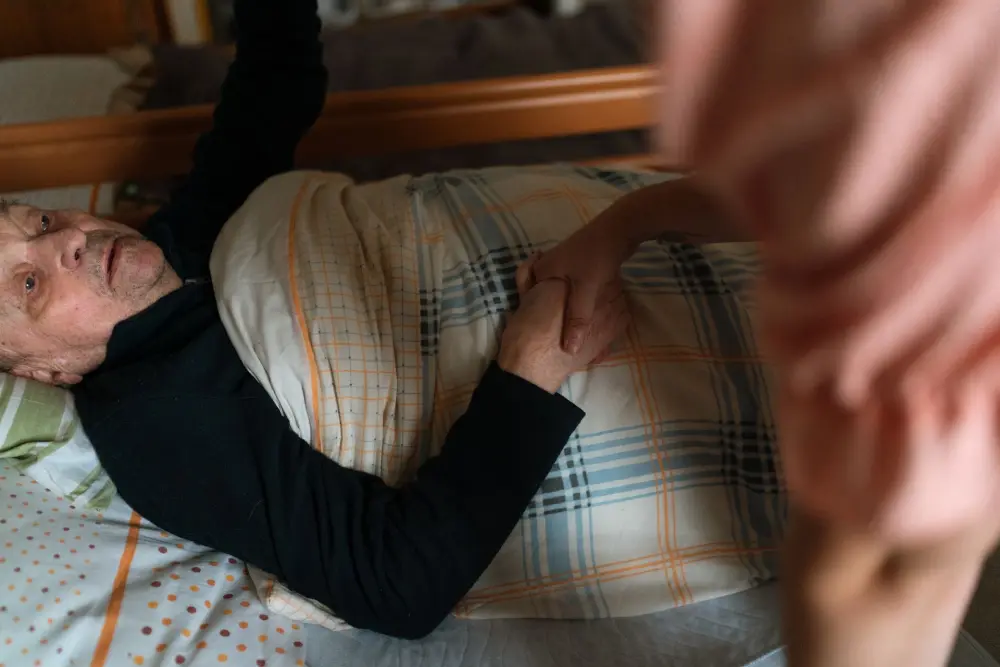
Repositioning is widely considered one of the most effective ways to prevent pressure sores, because it stops any single area of skin from bearing sustained pressure for too long.
Even small, regular shifts in position can make a meaningful difference.
According to University Hospitals Sussex NHS Foundation Trust, people who are able to shift their position frequently, roughly every one to two hours, and anyone who needs help should ask staff or a carer to assist with turning or adjusting their position.
In bed, this might mean a gentle tilt to one side rather than lying flat on the back for hours at a time. In a chair, small shifts of weight, or standing briefly if possible, help relieve pressure on the same spots.
Keeping a simple record of when someone was last repositioned can help family carers stay consistent, particularly if several people share caregiving duties.
Daily skin checks and what to look for
Checking the skin daily is one of the simplest and most effective habits for catching pressure damage early, well before it develops into an open wound. The earlier a problem is spotted, the easier it usually is to resolve.
Focus particularly on bony areas such as the heels, hips, lower back, shoulder blades, elbows and the back of the head, since these carry the greatest risk.
Redness that doesn’t fade when pressed, skin that feels warm, firm or unusually soft, or a report of soreness, tingling or numbness are all worth taking seriously.
Any new soreness, discolouration or change in sensation should be reported to a GP, district nurse or healthcare professional rather than waited out.
How home care supports pressure sore prevention
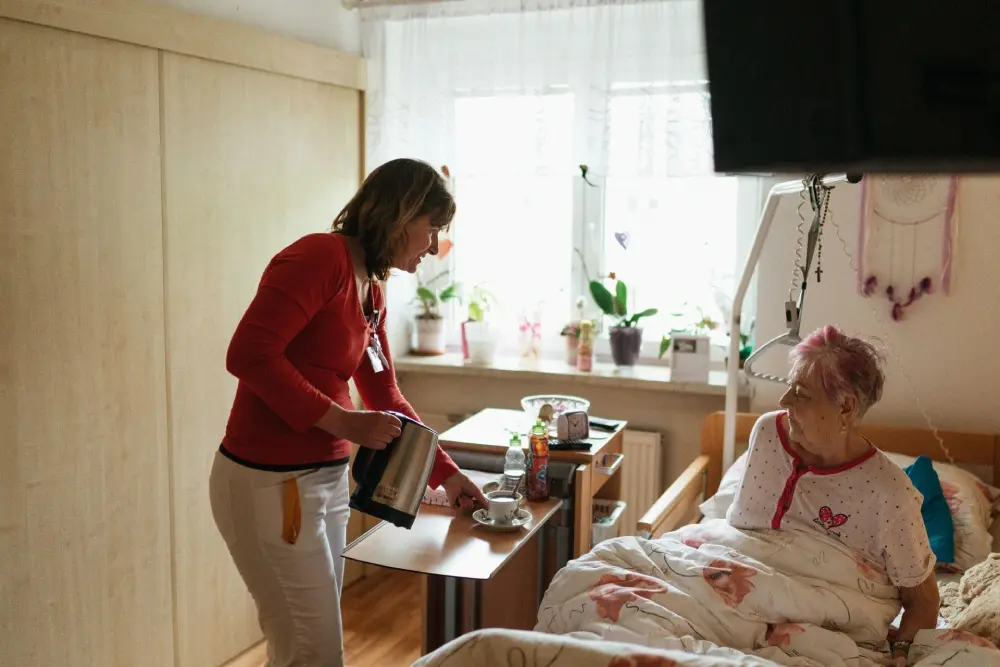
Consistent, day-to-day support makes a real difference in preventing pressure sores, particularly for people who can’t reposition themselves or check their own skin without help.
This kind of routine care is often where families most need an extra pair of hands.
At Forest Homecare, our care workers help with repositioning, daily skin checks and the practical routines that reduce pressure sore risk, as part of our wider home care service.
Support can be built around someone’s specific risk factors, whether that means regular position changes throughout the day, help with nutrition and hydration, or simply an extra set of eyes to catch early warning signs family members might miss.
Frequently asked questions
How often should someone be repositioned to prevent pressure sores?
NHS guidance generally recommends repositioning roughly every one to two hours for people who can’t move independently, though the right interval depends on someone’s individual skin condition and risk level.
A healthcare professional can advise on a more tailored schedule if needed.
Can pressure sores be reversed once they start?
Early stage pressure damage, such as redness that fades once pressure is relieved, can often improve quickly once the area is properly offloaded and monitored.
Once the skin has broken, professional wound care from a district nurse is usually needed to support healing.
What’s the difference between a pressure sore and a bed sore?
There’s no real difference. Pressure sore, bed sore, pressure ulcer and decubitus ulcer are all terms for the same type of skin damage caused by sustained pressure.
Are pressure sores more common in certain positions or areas of the body?
Yes, they most commonly develop over bony areas with less natural padding, such as the heels, hips, lower back, shoulder blades and elbows. The specific areas at risk depend on whether someone spends most of their time in bed, in a chair, or moving between the two.
Can pressure-relieving mattresses and cushions fully prevent pressure sores on their own?
No, equipment reduces risk but doesn’t replace the need for regular repositioning and skin checks. The most effective prevention combines the right equipment with a consistent daily routine.
Get support with professional personal care
Preventing pressure sores takes consistency, and that can be a lot to manage alongside everything else involved in caring for a loved one.
Through the diligent work of our care workers, we ensure you have the help you need with repositioning, skin checks and daily personal care, giving you the extra reassurance that nothing gets missed.