


Frailty often starts with small, easy-to-dismiss changes: walking a little slower, tiring more quickly, losing a bit of weight without trying. On their own, none of these ring alarm bells.
Together, however, they can signal frailty, a recognised medical condition that increases the risk of falls, hospital admissions and losing independence.
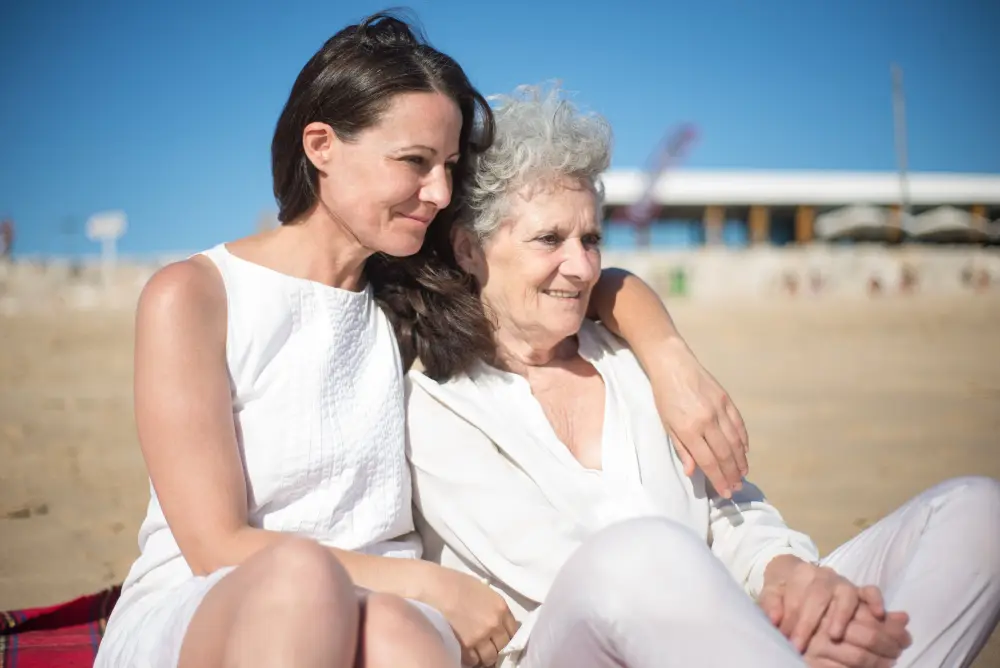
This guide explains what frailty looks like, why it matters, and how home care can support an older parent or loved one.
Table of Contents
In summary
|
What frailty actually means
Frailty is a specific medical condition, not simply a description of an older person who seems weak or unsteady. It reflects a loss of the body’s in-built physical and mental reserves, making it harder to recover from illness, injury or even everyday stress.
According to NHS England, frailty is characterised by decreased physiological reserve, an increased vulnerability to stressors, and an increased risk of adverse outcomes such as falls, delirium, loss of function or independence, hospitalisation, and long-term care needs.
It’s more common with increasing age, but it isn’t an inevitable part of getting older, and it can sometimes be slowed or partly reversed with the right support.
This distinction matters for families. Recognising frailty in an older parent early gives you time to put support in place before a crisis, such as a fall or a hospital stay, forces the issue.
Early signs of frailty in an older parent
Frailty rarely announces itself. It tends to build gradually through small changes that are easy to explain away as “just getting older,” which is exactly why families often miss it until something goes wrong.
These changes include:
- Unintentional weight loss, even without a change in diet
- Persistent tiredness or low energy, even after resting
- Taking noticeably longer to cross a room or get up from a chair
- Needing more help with everyday tasks like shopping, cooking or housework
- Withdrawing from social activities they used to enjoy
According to the British Geriatrics Society, frailty currently affects around 10% of people over 65, rising to as many as 50% of people over 85.
Because these figures rise so steeply with age, it’s worth paying closer attention as a parent moves into their eighties, even if nothing seems obviously wrong yet.
“People often wait until there’s been a fall or a hospital admission before asking for help, but by then the situation has usually become urgent rather than manageable. If a family tells us their parents seem to be slowing down, needing more reminders, or getting tired more easily, that’s exactly the kind of early change worth acting on. A little support at the right time can make a real difference to how independent someone stays.” – Tracey Harris, Head of Care |
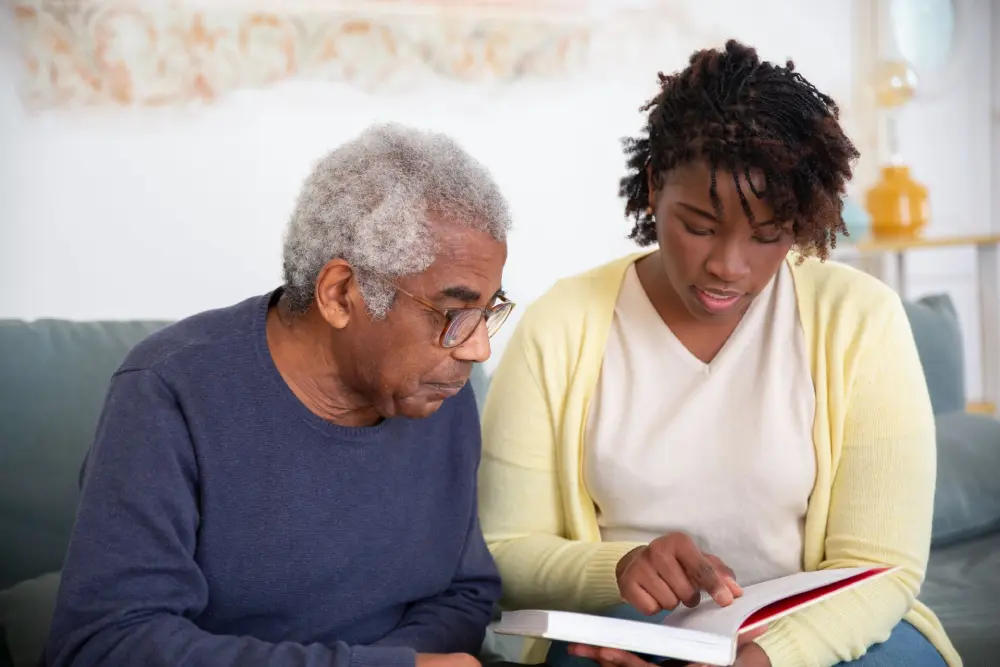
Physical signs to watch for
Physical signs of frailty are often the easiest to notice, particularly if you don’t see your parents every day and can compare how they seem now compared to a few months ago.
These changes usually reflect a genuine loss of muscle strength and stamina, not simply a bad day.
Common physical signs include:
- Noticeably slower walking speed
- Reduced grip strength, such as struggling to open jars or twist a key
- Increasing reliance on furniture or walls for balance
- More frequent trips or near-falls
- Difficulty recovering fully after a minor illness or infection
Changes in mood, memory and behaviour
Frailty doesn’t only affect the body. Mood, memory and confidence can shift too, sometimes subtly, and these changes are just as important to notice as physical decline.
Confusion is often one of the first things families notice, particularly during or after an illness, when a parent who’s usually sharp seems muddled or slow to follow a conversation. Low mood and anxiety can creep in alongside this, along with a loss of interest in things they used to enjoy.
Some parents become more withdrawn, quietly avoiding company or turning down invitations they’d once have accepted without a second thought.
Practical signs matter too. Forgetting to take medication, or losing track of appointments, can be easy to put down to a busy week, but worth watching if it keeps happening.
Often it’s less about any single change and more a general sense that they’re “not quite themselves.”
What to do if you notice signs of frailty
If you recognise several of the signs above in your parents, the next step is to raise it with a healthcare professional. Frailty can often be identified and managed through routine primary care.
Start by booking an appointment with your parent’s GP and describing the specific changes you’ve noticed, rather than a general sense that something’s off. It’s worth asking directly whether a frailty assessment would be appropriate, and requesting a medication review at the same time, since some medicines can increase the risk of falls or make frailty worse.
It’s also worth thinking about whether extra support at home would ease the daily pressure your parents are under, whether that’s help with meals, mobility or personal care.
In the run-up to the appointment, keeping a simple log of changes, such as falls, weight loss or missed appointments, gives the GP something concrete to work from rather than relying on memory alone.
Frequently asked questions
Is frailty the same as just getting old?
No, frailty is a recognised medical condition, not an inevitable part of ageing. Many people grow older without ever becoming frail, and for those who do, early support can slow or partly reverse its progression.
Can frailty be reversed?
In many cases, yes, particularly if it’s identified early. Improvements in nutrition, physical activity, and managing underlying health conditions can all help someone regain some strength and resilience.
How is frailty diagnosed?
There’s no single test for frailty. GPs typically look at a combination of factors, including walking speed, grip strength, recent weight loss, and how well someone recovers from illness, alongside their overall history.
Does frailty always lead to needing a care home?
No, many people living with frailty continue to live safely and comfortably at home with the right level of support, whether that’s help from family, home care, or a combination of both.
What’s the difference between frailty and dementia?
Frailty and dementia are different conditions, though they often occur together and can worsen one another. Frailty relates to physical resilience and recovery, while dementia affects memory and cognitive function, so it’s worth getting a proper assessment rather than assuming one explains the other.
Get support for an older parent or loved one today
Noticing the signs of frailty in a parent can be worrying, especially when you’re trying to work out how much help is genuinely needed.
You don’t have to figure it out alone.
Forest Homecare offers a free Care Needs Assessment to talk through what’s changed, what your parent still manages well, and where a little extra support could make the biggest difference.