


When a loved one is living with dementia, it’s natural to begin noticing small changes at home. You might see them hesitate in familiar spaces, seem unsure where they’re going, or look for a little more reassurance than before.
These moments can quietly add up, and it’s understandable to feel unsure about how best to support them.
This guide brings together ten practical ways to make your home feel safer and more dementia-friendly. Each tip is designed to help you make thoughtful adjustments at your own pace, guided by what feels right for your loved one and your home.
If you’re feeling concerned about your loved one living at home, you don’t have to navigate it alone. At Forest Homecare, we offer personalised dementia care, supporting your loved one in the place they feel safest.
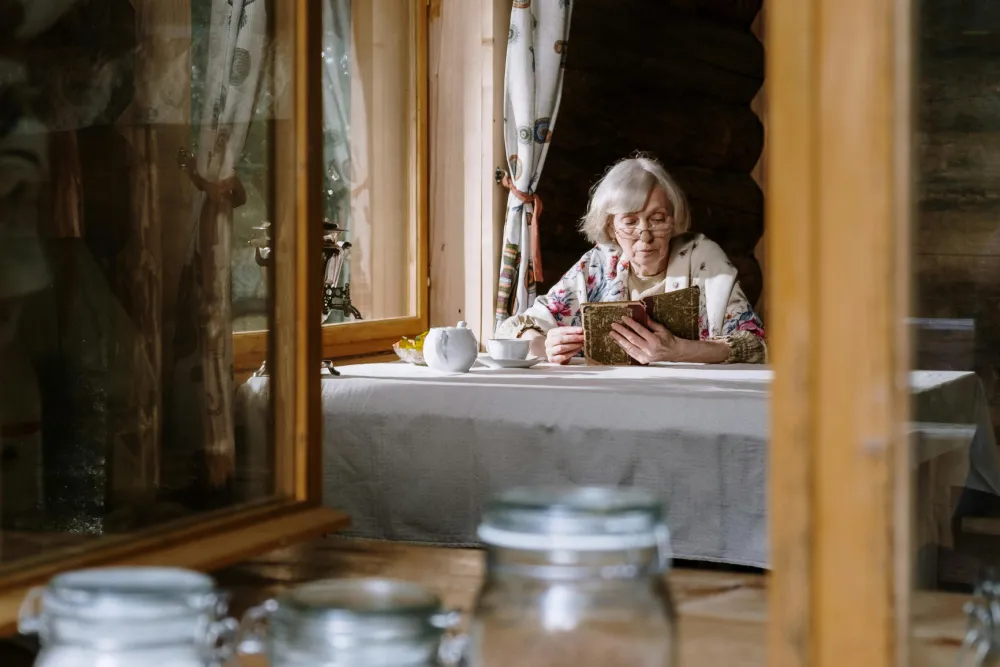
Creating a home that feels calm and safe
Creating a dementia-friendly home is less about big changes and more about thoughtful adjustments. Familiar surroundings may help reduce confusion and support a sense of calm, helping daily life feel a little easier for everyone involved. Small changes, introduced gradually and with care, may make a meaningful difference.
Tip 1: Keep layouts simple
As dementia progresses, busy or cluttered spaces may start to feel confusing. Simplifying the layout makes everyday movement feel more comfortable and predictable.
Simple adjustments you might consider include:
- Keeping walkways clear and free from unnecessary furniture
- Arranging furniture in consistent positions
- Reducing visual clutter on floors and surfaces
- Ensuring commonly used items stay in the same place
Tip 2: Use clear lighting
Changes in vision and depth perception are common for people living with dementia. This can sometimes make shadows, glare, or dimly lit areas feel confusing.
Simple lighting adjustments may help make spaces easier to navigate, such as:
- Using soft, even lighting to reduce shadows
- Making sure hallways, stairways, and entrances are well-lit
- Keeping lighting consistent from room to room
- Using lamps or night lights to support visibility in the evening
Tip 3: Choose colours and contrasts
As dementia progresses, it may become harder to distinguish between similar colours or recognise everyday objects. Using colour and contrast thoughtfully may help make important features stand out, for example:
- Choosing contrasting colours for walls, floors, and furniture
- Using coloured toilet seats or grab rails that are easy to see
- Avoiding busy patterns that may feel visually overwhelming
Tip 4: Support routines
Routines can offer comfort, particularly as memory and concentration change over time. Many families find that their loved one feels more settled when everyday activities happen in spaces that are already well known.
Supporting routines at home may involve:
- Encouraging meals, rest, and daily activities to happen in the same rooms
- Using familiar objects to support everyday tasks, such as favourite cups or chairs
- Allowing extra time for routines
Tip 5: Start making safety a habit
As dementia progresses, everyday features of the home can sometimes present unexpected challenges. Things that were once second nature may begin to carry a little more risk.
Simple ways to reduce common household risks may include:
- Installing smoke alarms and checking them regularly
- Using temperature regulators or safety devices on taps to reduce the risk of scalds
- Storing cleaning products and medications safely out of reach
- Turning off or securing appliances when not in use
Tip 6: Reduce unnecessary noise
Busy or noisy environments can sometimes feel overwhelming for people living with dementia. Background sounds that once faded into the background, such as televisions, radios, or household appliances, may begin to cause distraction or unease.
Creating a calmer atmosphere at home may involve:
- Turning off unused TVs, radios, or devices
- Keeping background noise low during meals or conversations
- Choosing quieter times of day for activities that require focus
Tip 7: Add simple visual cues
As memory changes, remembering where rooms are or how to complete everyday tasks can become more difficult. Simple visual cues may help gently guide daily routines, such as:
- Using clear, easy-to-read signs or pictures on doors
- Labelling cupboards or drawers with words or images
- Keeping clocks and calendars visible to support orientation
- Choosing signs that are not overly clinical
Tip 8: Make emergency situations easier to manage
Preparing for unexpected situations can help families feel more confident, without creating unnecessary worry. Having a few simple plans in place may offer reassurance, both for your loved one and for those supporting them at home.
Helpful ideas may include:
- Keeping a simple, easy-to-read list of emergency contacts
- Agreeing on a small routine for what to do if help is needed
- Letting trusted neighbours or nearby family know how they can support if required
Tip 9: Encourage memories
Familiar objects and meaningful memories can offer comfort, particularly during moments of confusion or uncertainty. You might consider introducing or highlighting personal touches such as:
- Displaying family photos or memory books
- Keeping favourite ornaments, books, or hobbies close by
- Playing music that holds personal meaning
Tip 10: Review the home as needs change
Living with dementia is not static, and the way a person experiences their home may change. What feels supportive at one stage may need changing later on, and many families find it helpful to readjust the home from time to time.
When home adjustments may not feel like enough
There may come a point where, despite your best efforts, daily life starts to feel more challenging for everyone involved. Some families notice increasing moments of uncertainty, changes in behaviour, or a growing need for support.
These feelings are common, and recognising them is not a sign of failure, but a reflection of how caring and attentive you’ve been. Dementia care at home can offer an extra layer of support, helping your loved one while easing some of the pressure.
At Forest Homecare, our compassionate team supports families across Essex with personalised dementia care, taking the time to listen, understand individual needs, and offer guidance.
Find help with dementia care when you need it
Seeking support is a personal decision, and there’s no right or wrong time to take that step. What matters most is finding care that fits your loved one’s needs.
At Forest Homecare, we offer person-centred dementia care at home across Essex. There’s no rush. Whenever you feel ready, we’re here to listen and support you and your loved one in the way that you prefer.